Does an Anti-Estrogenic Diet Have Any Impact on Your Testosterone Levels?
An anti-estrogenic diet can positively impact your testosterone levels by promoting a healthier hormonal balance. By focusing on foods that lower estrogen and support testosterone production, like cruciferous vegetables and lean proteins, you can enhance your hormone levels. However, results can vary based on individual needs. It’s essential to approach dietary changes thoughtfully and consult healthcare professionals for personalized guidance. Discovering more about which foods to include can further optimize your hormonal health.
Key Takeaways
- An anti-estrogenic diet emphasizes whole foods and high-fiber options that can improve hormone balance and enhance testosterone levels.
- Foods like cruciferous vegetables and red grapes act as natural aromatase inhibitors, potentially increasing testosterone production.
- Chronic stress and poor diets can lead to low testosterone; an anti-estrogenic diet supports hormone health through balanced nutrition.
- An improved testosterone-to-estrogen ratio may arise from an anti-estrogenic diet, benefiting metabolic health and overall well-being.
- Individual results may vary; consulting healthcare professionals is recommended for personalized dietary guidance and hormone level monitoring.
How Phytoestrogens Influence Hormone Levels

Research shows that consuming high concentrations of phytoestrogens, particularly in animal studies, can lead to considerable declines in testosterone levels. For instance, male rats on phytoestrogen-rich diets saw reductions in plasma testosterone and body weight. Moreover, studies have indicated that dietary phytoestrogens can alter male reproductive endocrinology in these animal models. However, the results from these animal studies don’t necessarily apply to humans. In human trials, consuming moderate amounts of soy and isoflavones hasn’t shown notable changes in testosterone levels, as confirmed by various studies and meta-analyses. Interestingly, research indicates that men need small amounts of estrogen to stay healthy, which suggests that phytoestrogens may have a different role in human hormone regulation compared to animal subjects. This discrepancy highlights that phytoestrogens behave differently in human physiology compared to animal models. Additionally, prolonged soy consumption may lead to elevated plasma estradiol levels, which can influence testosterone. Although their effects can vary, high-sugar foods should still be avoided, as they can further complicate testosterone levels. Though their effects can vary, a balanced diet including phytoestrogens typically won’t alter your testosterone considerably.
Do Anti-Estrogen Foods Increase Testosterone?

When considering whether anti-estrogen foods can boost testosterone, it’s crucial to look at both cruciferous vegetables and soy products. While certain cruciferous options might offer benefits by potentially reducing estrogen levels, soy products have a more complex relationship with testosterone. Understanding these dynamics can help you make informed dietary choices that could influence your hormone balance. Furthermore, it’s important to note that excessive consumption of soy may lead to lower testosterone levels in some individuals. Additionally, the intake of phytoestrogens is increasing due to the rising popularity of plant-based diets. Research indicates that higher testosterone levels can enhance muscle building and overall physical performance. Including anti-estrogenic foods in your diet may promote a better hormonal balance, supporting testosterone levels as well.
Cruciferous Vegetables Benefits
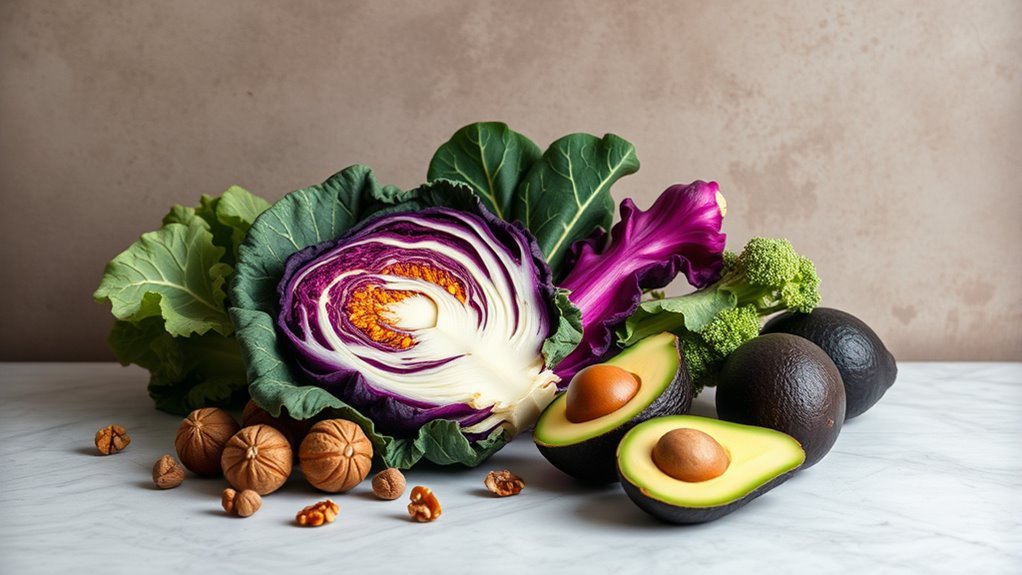
What if you could boost your testosterone levels simply by adding more cruciferous vegetables to your diet? These nutrient-packed veggies, like broccoli, kale, and Brussels sprouts, can greatly aid hormone balance. Not only do they support liver function, but they also help regulate the conversion of testosterone to estrogen, which is essential for ideal hormonal health.
- Contain antioxidants that reduce oxidative stress and support testosterone production
- Help eliminate excess estrogen from your body, promoting hormone balance
- Recommended consumption of 4-5 times a week for best results. Additionally, these vegetables provide essential nutrients that are crucial for testosterone production, such as zinc and magnesium. Cruciferous vegetables are also known for their ability to support estrogen regulation, which reduces the conversion of testosterone to estrogen. Including these vegetables in your diet can also assist in managing stress levels, which is another vital factor for maintaining optimal testosterone levels.
Integrating these vegetables into your meals can be easy and delicious, setting the stage for enhanced overall well-being and potentially improved testosterone levels. Moreover, a healthy diet rich in omega-3 fatty acids and antioxidants has been linked to enhanced sperm quality and hormone balance, further supporting testosterone levels.
Soy Products Impact
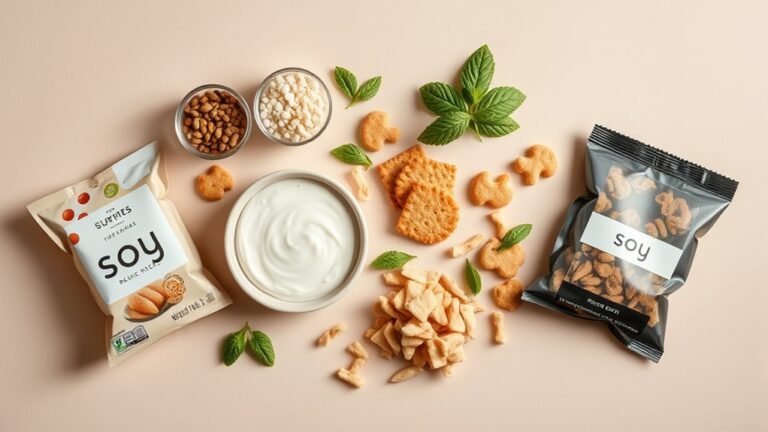
While many people associate soy products with potential negative effects on testosterone levels, recent meta-analyses suggest a more nuanced perspective. A thorough review of 41 studies, involving 1,753 men, found no significant impact of soy protein or isoflavone intake on total or free testosterone levels. Additionally, estradiol and estrone levels remained unchanged. Concerns about soy causing feminization stem from isolated case reports and outdated animal studies, which don’t translate to human physiology. Though earlier studies hinted at possible decreases in testosterone, these findings aren’t consistent. In fact, soy’s phytoestrogens have minimal hormonal effects. Recent studies confirm incorporating soy into your diet mightn’t pose the risks you thought regarding testosterone levels, as the belief in feminization remains unfounded based on comprehensive literature reviews.
How Soy Products Affect Testosterone Levels in Men

When it comes to soy products, you might wonder how they impact testosterone levels in men. Research, including several thorough meta-analyses, consistently shows that soy protein and isoflavones don’t substantially affect testosterone or other key hormones. Recent studies have demonstrated that neither soy nor isoflavone consumption affects male reproductive hormone levels. However, regular consumption of soy and soy products has been associated with lower testosterone levels. Additionally, it’s important to note that decreased energy levels can also indicate a potential hormonal imbalance, which may be influenced by dietary choices. Chronic stress, which elevates cortisol levels, can contribute to low testosterone production in men as well.
Soy Protein Effects
Despite the popularity of soy products in many diets, concerns about their effect on testosterone levels in men often persist.
Research shows varying findings regarding soy protein’s impact on testosterone:
- In a 28-day study, daily soy protein powder reduced serum testosterone in healthy men, but levels remained within the normal range.
- After stopping the supplement, testosterone levels rose within just two weeks.
- Meta-analyses revealed no notable impact on testosterone or other hormones among numerous studies.
While some individual cases reported testosterone drops, overall evidence suggests that moderate soy consumption doesn’t affect hormonal balance in men notably, dispelling many myths surrounding soy’s effects on testosterone. Furthermore, a study indicated that soy protein supplementation may partially blunt serum testosterone levels after resistance exercise, adding complexity to the discussion around soy’s effects. Additionally, soy protein is considered equivalent to animal protein in effectiveness, reinforcing its status as a viable protein source for muscle building. Importantly, some studies highlight that fenugreek supplements influence testosterone levels by inhibiting its conversion to DHT, suggesting natural alternatives may be beneficial. Also, a balanced diet with specific minerals and vitamins can enhance testosterone production, offering further dietary considerations for men seeking hormonal health.
Isoflavones and Testosterone Levels
The role of isoflavones, the active components in soy products, has sparked interest in their potential effects on testosterone levels in men.
However, research shows that typical isoflavone intake doesn’t markedly impact testosterone or estrogen levels. Meta-analyses involving thousands of participants confirm that soy and isoflavones fundamentally leave total and free testosterone unaltered. Clinical trials, including those with men experiencing health issues like diabetes, also indicate no change in testosterone with isoflavone supplementation. While excessive intake above 70-75 mg/day has been linked to hormonal disruptions, normal consumption is generally considered safe. Excessive isoflavones can cause feminization and secondary hypogonadism in men when consumed in large quantities.
Consequently, incorporating soy mightn’t pose a risk to testosterone levels, allowing you to enjoy its benefits without fear of adverse hormonal effects.
What Do Human Trials Reveal About Phytoestrogens?
Human trials provide valuable insights into the effects of phytoestrogens on testosterone levels and male fertility. Overall, studies consistently show that phytoestrogens, particularly from soy and isoflavones, don’t considerably affect testosterone or estrogen levels in men.
Here are some key findings:
- Meta-analyses indicate no impact of soy protein or isoflavones on testosterone levels in large, diverse male populations.
- Human trials show no strong evidence linking phytoestrogen intake to fertility problems; some even suggest a positive effect on sperm motility.
- Concerns about feminizing effects from phytoestrogens remain unsupported by clinical evidence, as results show no adverse hormonal influence. Recent research in male goats has indicated that dietary phytoestrogens may stimulate testosterone synthesis during puberty, suggesting complex interactions with reproductive hormones. Additionally, some studies indicate that phytoestrogens may help reduce inflammation, which can support overall reproductive health.
Which Foods Can Lower Estrogen Levels and How Do They Affect Testosterone?
Understanding how certain foods can influence estrogen levels is important for managing testosterone levels effectively. Red grapes, thanks to compounds like resveratrol, inhibit estrogen production by acting as aromatase inhibitors, thereby supporting testosterone levels. Additionally, it is essential to recognize that men’s testosterone levels have been declining at an average rate of about 1 percent per year since the 1980s. Furthermore, incorporating a well-balanced diet can help maintain hormonal balance and contribute to overall health. Mushrooms also share this ability, helping maintain hormone balance. Cruciferous vegetables, such as broccoli and kale, contain isoflavones that not only block estrogen but can directly enhance testosterone levels. Adding sesame and flax seeds can further regulate estrogen, though be cautious with flax as it may bind testosterone for excretion. It’s wise to limit soy products, licorice root, walnuts, almonds, and mint tea, as they’ve been linked to decreased testosterone levels. Making these dietary choices can promote a healthier hormonal balance for you.
The Connection Between Diet, Testosterone, and Overall Health
As you explore the intricate relationship between diet and testosterone, it’s clear that what you eat can greatly impact your overall health. Your dietary choices affect hormonal balance, body composition, and energy levels.
High consumption of processed foods and sugar can lead to reduced testosterone and increased body fat. Conversely, nutrient-rich foods boost testosterone production and support muscle health.
Processed foods and sugar can lower testosterone levels, while nutrient-rich foods enhance hormone production and promote muscle health.
- Diets rich in healthy fats and proteins can enhance hormone synthesis. Obesity is associated with low testosterone levels, indicating the significance of nutrient-rich diets in maintaining hormone balance. Pro-inflammatory diets increase the risk of testosterone deficiency, highlighting the need for mindful food choices.
- A diet high in refined carbs and sugars increases the risk of testosterone deficiency.
- Incorporating whole foods like fruits, vegetables, and fatty fish supports overall health and testosterone levels.
Making mindful dietary choices is essential for maintaining not just testosterone levels but overall well-being.
Consulting Healthcare Professionals: Making Dietary Changes Safely
Making significant dietary changes can feel overwhelming, but collaborating with healthcare professionals is essential for guaranteeing your safety and effectiveness. They can evaluate your baseline testosterone levels, identify hormonal imbalances, and tailor meal plans to your specific needs. Here’s a quick overview of what to take into account:
| Aspect | Importance |
|---|---|
| Medical Evaluation | Determines baseline hormone levels |
| Personalized Meal Plans | Accounts for your health, medications |
| Monitoring | Tracks effectiveness of dietary changes |
Consulting with registered dietitians and healthcare providers also helps you avoid nutrient imbalances and guarantees that any necessary supplements are safely monitored. Regular follow-ups will guarantee that your dietary modifications are on track to enhance your testosterone levels effectively. Maintaining a balanced diet rich in whole foods is critical for optimizing hormone levels, including testosterone, particularly because a clean diet can significantly improve TRT results.
Questions
Can Anti-Estrogen Diets Harm My Overall Health?
Yes, an anti-estrogen diet can harm your overall health. It may disrupt hormonal balance, increase insulin resistance, and affect metabolic functions. Always consult a healthcare professional before making significant dietary changes for hormonal health.
Are There Benefits to Testosterone From Reducing Estrogen in Women?
Studies show that 25% of transgender women achieve testosterone levels under 50 ng/dL while on estrogen therapy. Reducing estrogen could enhance testosterone levels in some women, potentially improving energy and sexual function.
Do Phytoestrogens Affect Testosterone Levels in Adolescents?
Phytoestrogens don’t greatly affect testosterone levels in adolescents. Studies show no hormonal impacts on puberty or testosterone levels, suggesting that dietary phytoestrogens aren’t likely to alter hormonal balances during this essential developmental stage.
How Long Does It Take to See Effects From Dietary Changes?
You’d think the moment you change your diet, fireworks would ignite, but it usually takes weeks to notice real effects. Patience is key; give it at least 4 to 6 weeks for noticeable changes!
Are There Side Effects From Anti-Estrogenic Foods?
Yes, anti-estrogenic foods can lead to side effects like hormonal imbalances, digestive issues, and potential nutrient deficiencies. It’s important to reflect on a balanced diet and consult a health professional before making drastic changes.
Conclusion
In the grand tapestry of health, the threads of diet and hormones are intricately woven together. Embracing an anti-estrogenic diet might just be the key to revealing a boost in testosterone, as you dance between the flavors of nature’s bounty. Remember, each bite can be a brushstroke on the canvas of your wellbeing. If you’re considering significant dietary changes, don’t forget to consult a healthcare professional; they’re the compass guiding you through this journey.