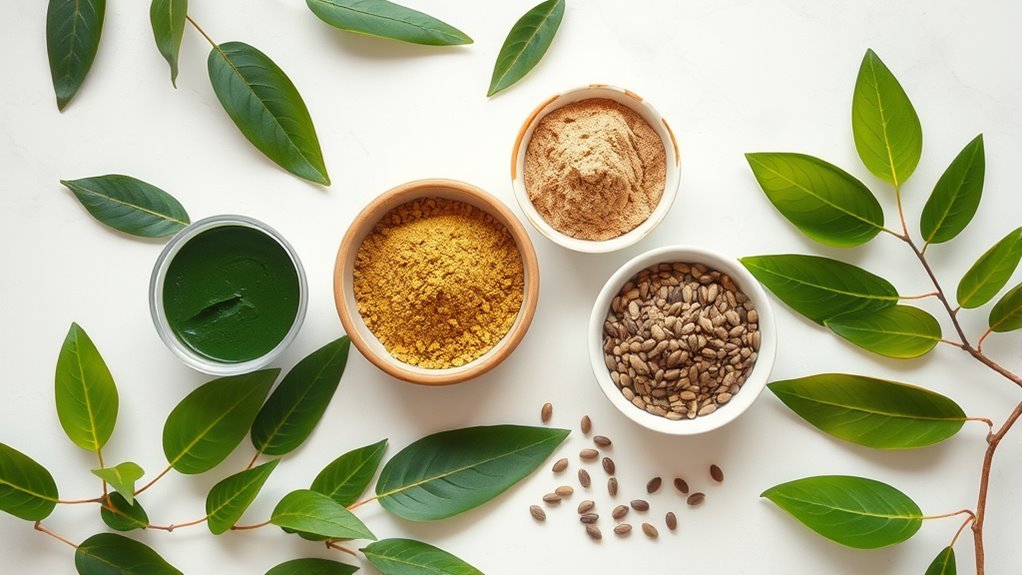
10 Natural Steroids to Upgrade Your Anabolic Diet
To upgrade your anabolic diet, consider natural steroids like ashwagandha for muscle growth, rhodiola rosea for endurance, and fenugreek to enhance testosterone levels. Ecdysterone from spinach promotes muscle protein synthesis, while HMB supports lean mass gains. Don’t overlook ginseng for quicker recovery and tribulus terrestris for optimizing testosterone. Pine pollen may provide extra testosterone benefits, and androstendione acts as a precursor to both testosterone and estrogen. Keep exploring to discover how these can benefit your performance.
Key Takeaways
- Ashwagandha improves strength and muscle size, and helps reduce cortisol levels to support optimal training performance and recovery.
- Ecdysterone from spinach enhances muscle protein synthesis and increases blood flow, promoting overall performance in workouts.
- Fenugreek is effective in increasing testosterone levels, aiding muscle growth and overall athletic performance.
- Rhodiola rosea boosts endurance, reduces fatigue, and accelerates muscle recovery after strenuous exercise.
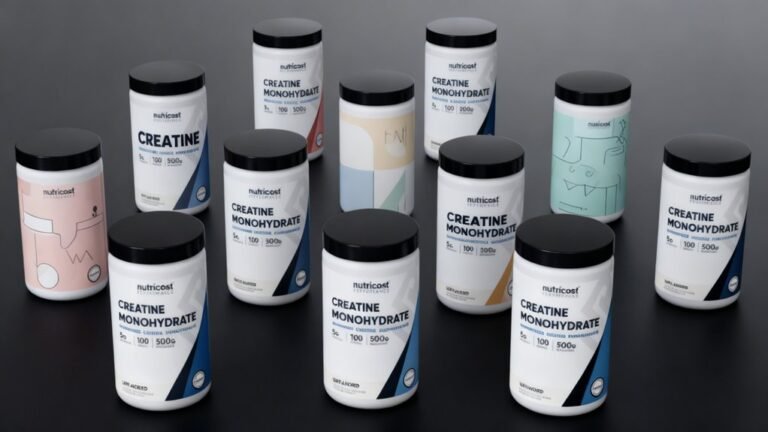
- Creatine provides a natural energy source for muscles, significantly enhancing performance and supporting muscle growth when used consistently.
Understanding Natural Steroids for Athletic Performance

When you look at enhancing athletic performance, understanding natural steroids can be a game-changer. These compounds, derived from plants and foods, pose far fewer risks than their synthetic counterparts, making them safer for long-term use. Most, like ashwagandha, ecdysterone, and turkesterone, remain legal without any prescription. They not only improve strength but also enhance muscle growth without the side effects associated with synthetic options. For instance, fenugreek can boost testosterone levels while ginseng improves endurance and circulation. Additionally, natural steroids are generally regarded as safer and can support overall health without the serious side effects linked to synthetic alternatives. Ashwagandha, an effective testosterone booster, is known to reduce stress levels, which in turn may positively affect muscle growth. Fenugreek is known for its potential to not only boost testosterone levels but also improve overall body composition by reducing fat mass. Creatine greatly enhances muscle energy during high-intensity workouts, and scientific evidence supports the cautious use of natural treatments to ensure safety and effectiveness. With these natural steroids in your arsenal, you’ll support your overall health while optimizing your athletic performance in a sustainable way.
The Benefits of Adaptogens for Muscle Growth

When you incorporate adaptogens into your routine, you can boost your resilience to stress, which is essential for ideal muscle growth. These natural substances not only help you recover faster after workouts but also improve your overall performance. With enhanced recovery and reduced stress, you’ll find it easier to achieve your muscle-building goals. Additionally, adaptogens like ashwagandha have been shown to improve strength, muscle size, aerobic capacity, and recovery, making them a valuable addition to your regimen. Furthermore, incorporating Rhodiola Rosea’s ergogenic effects may also contribute to improved exercise performance and endurance. Moreover, studies indicate that using DHEA supplementation can further enhance muscle growth and strength, complementing the benefits of adaptogens in your training and recovery plan. Moreover, Suma root has also been recognized for its potential to maintain healthy hormone levels, supporting both muscle growth and overall well-being.
Enhanced Stress Resilience
Although many factors contribute to muscle growth, enhanced stress resilience plays an essential role that’s often overlooked.
Adaptogens like ashwagandha and rhodiola can notably improve your training outcomes by modulating stress responses.
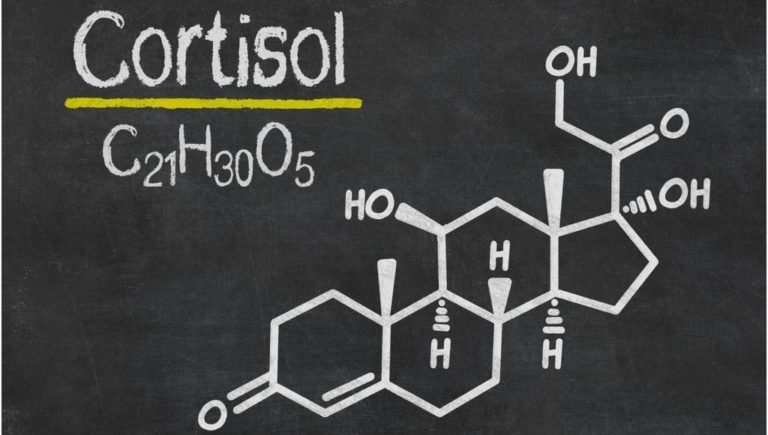
Ashwagandha not only lowers cortisol levels, helping you manage training stress more effectively, but also shows strong evidence for boosting muscle strength. Studies have revealed that individuals supplementing with ashwagandha gain more strength during resistance training compared to those on a placebo. Supplementation shows effectiveness in enhancing physical performance variables, which can lead to improved results in training. Additionally, strategic use of supplements can further optimize your hormonal health, aiding in muscle recovery and growth.
Meanwhile, rhodiola enhances endurance by reducing fatigue, enabling you to push harder in your workouts. Both adaptogens improve your body’s oxygen utilization, which is vital for aerobic performance, supporting your muscle growth goals while managing stress for ideal training results.
Improved Muscle Recovery
Improved muscle recovery is essential for maximizing your gains, especially after intense training sessions.
Adaptogens like Rhodiola rosea and ashwagandha play a key role in accelerating recovery. Research shows that Rhodiola can reduce creatine kinase levels by 19% within 24 hours post-exercise, cutting recovery time considerably.
It also enhances muscle strength recovery by 25% and helps maintain glycogen levels, ensuring you’ve got the energy for your next workout. Furthermore, plant-derived amino acids can enhance muscle protein synthesis, complementing the recovery benefits provided by these adaptogens.
These adaptogens increase antioxidant status, combating fatigue and muscle damage. Plus, they help restore your muscle function, allowing you to hit the gym harder and recover faster.
Incorporating these natural supplements into your regimen can elevate your performance and overall muscle growth.
Gain Greater Endurance Using Ginseng

If you’re looking to boost your endurance, ginseng might be your answer. This powerful root can enhance recovery after exercise and help you push through fatigue during workouts. With the right dosage and consistent use, you could reveal a new level of physical performance. Research indicates that red ginseng may significantly improve swimming endurance and ATP production in muscles, contributing to your overall stamina and energy levels. Furthermore, ginseng is known for its variety of pharmacological effects, which can further enhance your athletic performance.
Ginseng Benefits For Endurance
Ginseng’s gaining attention for its ability to boost endurance, making it a popular choice for those looking to enhance their athletic performance.
Studies suggest that red ginseng can greatly improve exercise endurance by increasing ATP production and energy metabolism in skeletal muscles. Systematic reviews have highlighted that while the evidence for RG’s effectiveness as an athletic aid is mixed, it remains a promising supplement for many. Engaging in consistent exercise routines can complement the endurance benefits of ginseng.
Key benefits include:
- Enhanced mitochondrial energy-generating capacity.
- Increased SIRT1 deacetylase activity to reduce fatigue onset.
- Upregulation of the PGC-1α-NRF1-TFAM pathway for sustained performance.
- Improved muscle function through specific ginsenosides.
- Recommended dosage of 200-400 mg/day for ideal results.
Incorporating ginseng into your regimen could be a game-changer, potentially leading to better endurance and improved workout performance.
Enhanced Recovery Post-Exercise
A notable advantage of incorporating ginseng into your post-exercise routine is its remarkable ability to enhance recovery.
By considerably reducing muscle damage, ginseng lowers creatine kinase (CK) and interleukin-6 (IL-6) levels, which are key markers of muscle stress and inflammation. Its active compounds also provide antioxidant and anti-inflammatory effects, promoting quicker muscle regeneration. Adequate sleep duration improves the effectiveness of recovery strategies, making your post-exercise routine even more beneficial.
With regular use, you’ll notice less fatigue and a decreased rate of perceived exertion, helping you push through tough workouts. Ginseng helps mitigate post-exercise soreness and reduces the risk of injuries by enhancing your muscle’s ability to recover.
Additionally, focusing on nutrient timing after workouts by pairing ginseng with protein and carbohydrates can maximize recovery benefits.
Ultimately, you’ll be ready to train again faster, allowing you to reach your fitness goals more efficiently and effectively.
Ashwagandha: Boost Your Muscle Growth Naturally
While many seek shortcuts to muscle growth through synthetic means, ashwagandha stands out as a natural alternative that can markedly enhance your strength and performance. Research shows significant gains in muscle strength and size when supplementing with ashwagandha, making it an excellent choice for your anabolic diet.
- Increased bench-press strength by 46.0 kg versus 26.4 kg in placebo
- Arm muscle size grew by 8.6 cm compared to 5.3 cm in placebo
- Improved recovery due to reduced muscle damage and lower cortisol levels, further supported by testosterone-boosting foods that enhance muscle growth.
- Enhanced endurance with significant VO2 max improvements
- Well-tolerated, effective dosage of 600 mg daily for eight weeks
Studies indicate that ashwagandha may also promote muscle recovery by improving serum creatine kinase levels. Recent research indicates that ashwagandha supplementation correlates with significant increases in muscle mass and strength, highlighting its potent benefits in athletic performance.
Incorporating ashwagandha could be your key to achieving better muscle growth naturally.
Fenugreek’s Role in Enhancing Testosterone
Fenugreek’s potential as a testosterone booster is impressive, especially for those looking to enhance their athletic performance. It works by inhibiting testosterone metabolism and promoting its production, which can lead to significant increases in free testosterone levels. With these boosts, you mightn’t only feel stronger but also notice improvements in energy and overall physical function. Additionally, recent studies have shown that fenugreek supplementation can positively impact men’s health by increasing testosterone levels in healthy volunteers. Furthermore, participants in studies reported significant increases in muscle strength after using Fenu-FG alongside resistance training.
Testosterone Boosting Mechanism
Several studies highlight the potential of fenugreek in boosting testosterone levels, making it an attractive natural option for those looking to enhance their anabolic diet.
Fenugreek’s key compounds, like furostanolic saponins and protodioscin, play essential roles in increasing testosterone production and maintaining healthy hormone levels.
- Inhibits enzymes that degrade testosterone, preserving free testosterone
- Shown to improve libido and overall energy levels
- In clinical trials, participants saw up to a 46% increase in testosterone
- Combines well with nutrients like zinc and vitamin D for better effects
- Meta-analysis includes four clinical trials confirming significant impact on serum testosterone
- Research has shown that fenugreek acts as an incomplete 5 Alpha reductase inhibitor, providing further support for its testosterone-boosting capabilities.
With these mechanisms at work, fenugreek can be a beneficial addition to your regimen.
Always consult a healthcare provider before starting new supplements.
Athletic Performance Benefits
Given its ability to boost testosterone levels, fenugreek has emerged as a valuable ally in enhancing athletic performance. Research shows that supplementing with fenugreek substantially improves muscle strength, with studies indicating increases in one-rep max in resistance-trained men. Additionally, scientific studies indicate that fenugreek can improve muscle endurance and submaximal performance, leading to more effective workouts. Notably, the 600 mg dose of fenugreek has been linked to a significant increase in lean mass among female participants engaged in resistance training. You might also notice enhanced endurance, as fenugreek can boost repetitions to failure and functional threshold power. Alongside resistance training, it synergizes well to amplify strength and lean muscle mass gains.
When taking 500 mg to 600 mg daily, users often experience favorable changes in body composition, reducing body fat while increasing lean mass.
With no reported side effects, these benefits position fenugreek as a credible option for athletes committed to improving their performance naturally.
Spinach: The Green Giant for Anabolic Gains
While many might associate spinach with cartoons and strong men, this leafy green is far more than just a pop culture icon; it’s a powerful ally in the pursuit of anabolic gains. Packed with ecdysterone, spinach promotes muscle protein synthesis and enhances strength. Research shows that participants consuming ecdysterone experienced greater muscle mass and improved performance in strength tests. Notably, ecdysterone is the active compound responsible for muscle-building properties found in spinach extract. Recent studies suggest that higher muscle mass increase could make spinach extract a serious consideration for athletes looking to enhance their performance.
- Ecdysterone’s potency surpasses some banned steroids.
- Increased protein synthesis supports muscle growth.
- Nitrates enhance blood flow for performance.
- Betaine aids recovery and muscular endurance.
- Suitable for various age groups, improving muscle quality.
Incorporating spinach into your diet may provide the edge you need to boost your anabolic diet effectively.
How HMB Supports Lean Mass Gains
HMB, or beta-hydroxy beta-methylbutyrate, has emerged as a game changer for individuals seeking to increase lean mass. Research shows that supplementing with HMB-FA alongside periodized resistance training can increase lean body mass by an impressive 7.4 kg over 12 weeks. You’ll notice greater muscle hypertrophy and strength retention during intense training phases with HMB. To reap these benefits, aim for a daily dosage of around 3 grams, especially if you’re untrained, as you’ll likely see gains in just three weeks. HMB enhances muscle protein synthesis while minimizing breakdown, leading to a favorable protein balance. Moreover, chronic HMB-FA supplementation has been shown to enhance muscle mass and function in older individuals during RET. Additionally, this supplement has been shown to improve muscle hypertrophy and overall performance in trained individuals. Whether you’re a seasoned athlete or older adult, HMB’s effects can help you achieve your lean mass goals effectively.
Why Tribulus Terrestris May Be Your Best Ally
As you explore options for enhancing lean mass and performance, Tribulus Terrestris could serve as a valuable ally in your regimen.
This natural supplement may help optimize testosterone levels, particularly beneficial if you’ve been experiencing overtraining.
Key points to take into account include:
- In animal studies, TT saponins increased testosterone and muscle mass.
- It can extend endurance during high-intensity workouts.
- Improved serum testosterone levels were noted in stressed rats treated with TT.
- Some human studies highlight increases in free testosterone with the right dosage.
- Its antioxidant properties can help reduce inflammation and muscle damage.
- Notably, TT extracts significantly increased plasma levels of testosterone and IGF-1 in studies.
- The combination of TT saponins and increased androgen receptors suggests a complex mechanism for performance enhancement.
Incorporating Tribulus Terrestris might provide an edge in your training, but be certain you weigh its effects and consult with a professional before starting.
Pine Pollen: A Natural Testosterone Enhancer
If you’re looking for natural ways to boost testosterone levels, pine pollen might just be the answer you need. Research shows that a proprietary tincture from Pinus massoniana greatly increased testosterone in older men after eight weeks, with no adverse effects. Pine pollen contains about 0.8 micrograms of testosterone per 10 grams and is often used in traditional Asian medicine for its energy-boosting and hormonal balancing properties. Its nutritional value and antioxidant and anti-inflammatory benefits can help alleviate fatigue and improve overall wellbeing. Additionally, studies have detected significant levels of natural testosterone-type steroids in pollen from other pine species like Pinus nigra and Pinus heldreichii. However, it’s important to note that pollen allergies may make it unsuitable for some, and excessive intake could lead to unwanted side effects. Always consult with a doctor before incorporating pine pollen as a testosterone booster into your diet.
Androstenedione: A Natural Steroid Option
While many seek natural alternatives to synthetic steroids for muscle enhancement, androstenedione stands out as a promising option. This steroid hormone, produced by your adrenal glands and gonads, acts as a precursor to testosterone and estrogen. It is important to note that elevated androstenedione levels have been identified as risk factors for prostatic and pancreatic cancer. Additionally, androstenedione is classified as an anabolic steroid and banned in various sports, which raises further concerns about its use.
Although some believe it boosts testosterone levels, the scientific evidence is mixed. Here are key points to evaluate:
- Increases serum testosterone by 14% with a 300 mg dose.
- Potential feminizing effects due to elevated estrogen levels.
- Claims of energy and libido enhancement remain unproven.
- May lead to testing positive for performance-enhancing drugs.
- Long-term safety and efficacy are still questionable.
As with any supplement, it’s crucial to weigh the risks and benefits before evaluating androstenedione.
Questions
Are These Natural Steroids Safe for Everyone to Use?
No, these natural steroids aren’t safe for everyone. They can cause serious health risks, including hormonal disruptions and organ damage. It’s essential to consult a healthcare professional before attempting any steroid or supplement for safety.
Can I Combine Multiple Natural Steroids for Better Results?
You can combine natural steroids, but don’t chase rainbows. The balance is fragile. Without caution, you might not see better results; instead, prioritize proper diet and training for sustainable gains. Safety always trumps the shortcut.
How Long Before I See Results From These Supplements?
You’ll likely see initial results from supplements like creatine or protein in about four to six weeks, but substantial muscle gains may take several months of consistent use combined with proper training and nutrition.
Are There Any Side Effects Associated With Natural Steroids?
Yes, there’re potential side effects with natural steroids, including hormonal imbalances, acne, mood swings, and weight changes. You should always consult a healthcare professional before starting any supplement to minimize risks and monitor your health effectively.
Do I Need a Prescription for These Natural Steroid Supplements?
You don’t need a prescription for most natural steroid supplements; they’re available over the counter. Just be cautious, as many lack FDA approval, so it’s wise to consult a doctor before starting any supplement.
Conclusion
Incorporating these natural steroids into your anabolic diet can transform your performance like a superhero discovering their powers. By harnessing the benefits of adaptogens and specific herbs, you can boost muscle growth, increase endurance, and elevate testosterone levels naturally. You’re not just fueling your body; you’re unleashing its full potential. So, plunge into this natural treasure trove and watch as your athletic prowess soars to new heights, proving that nature’s gifts are truly extraordinary.