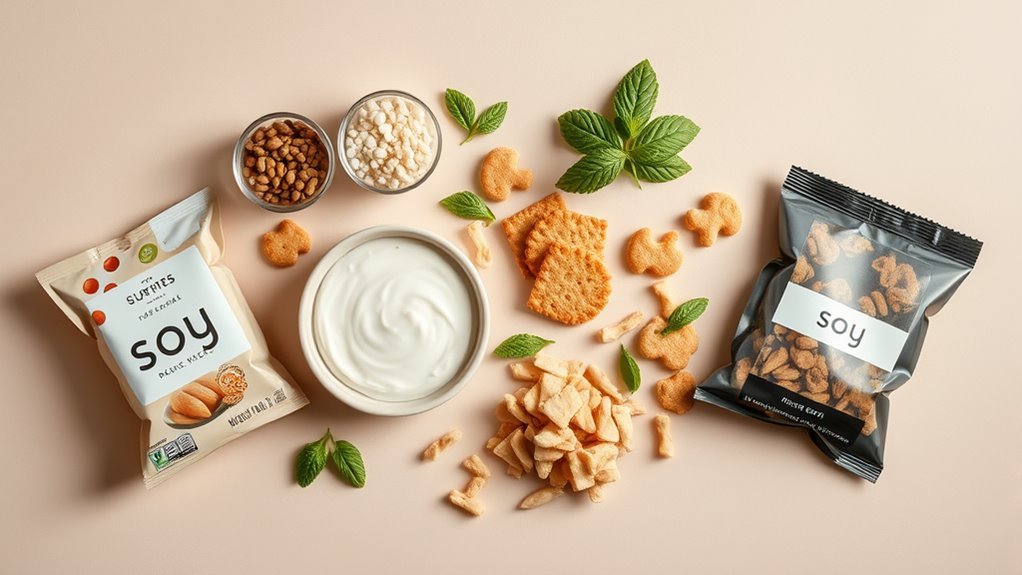
Bye Foods Which Lowers Your Testosterone Levels
If you want to keep your testosterone levels high, steer clear of certain foods. High sugar and refined carbs can lead to insulin resistance and lower testosterone. Trans fats, often found in processed foods, can greatly drop testosterone levels. Alcohol consumption, especially in large amounts, disrupts hormone production. Even licorice root and mint can negatively affect your hormones. Swapping these out for healthier options can make a big difference in your hormonal health. There’s more you can do to boost testosterone!
Key Takeaways
- High sugar intake and refined carbohydrates can lead to insulin resistance, weight gain, and reduced testosterone levels.
- Trans fats from processed and fast foods significantly decrease testosterone and disrupt hormonal balance.
- Licorice root consumption can reduce testosterone levels, with notable decreases in both men and women.
- Heavy alcohol consumption disrupts hormone production and metabolism, leading to long-term decreases in testosterone synthesis.
- Mint, especially spearmint and peppermint, may negatively impact testosterone levels due to their anti-androgen properties.
Understanding How Diet Impacts Testosterone Levels

When you consider how your diet affects testosterone levels, it’s essential to recognize that certain food choices can greatly impact hormone balance. High-fat diets, for instance, are often linked with higher testosterone, especially in resistance-trained individuals. Studies show diets consisting of approximately 40% calories from fat can boost testosterone markedly compared to low-fat options. Conversely, Western-style diets—rich in bread, pastries, and processed foods—tend to correlate with lower testosterone levels. Additionally, pro-inflammatory diets linked to increased odds of testosterone deficiency raise the risk of deficiency, while energy deficits from caloric restriction can sharply decrease testosterone concentrations. Incorporating zinc-rich foods can further support healthy testosterone levels. Furthermore, testosterone is vital for sperm production and fertility, highlighting its importance in male health.
Thus, adopting a balanced diet that includes healthy fats while minimizing processed foods can help maintain ideal hormone levels for overall health and vitality. Furthermore, increased visceral fat may promote insulin resistance, further lowering testosterone levels.
The Impact of High Sugar and Refined Carbs on Testosterone

High sugar and refined carbohydrates can greatly impact testosterone levels, leading to unwanted hormonal imbalances.
You mightn’t realize it, but consuming high amounts of sugar and refined carbs can set off a chain reaction in your body, including:
Consuming high amounts of sugar and refined carbs can trigger a cascade of hormonal disruptions in your body.
- Increased Insulin Resistance: High sugar intake can trigger insulin resistance, which reduces testosterone levels. Higher SSB consumption has been found to be significantly associated with reduced serum testosterone levels. Furthermore, persistent high cortisol levels due to excessive sugar can further disrupt testosterone production. Low testosterone often leads to decreased energy levels, impacting overall well-being.
- Weight Gain: Consuming sugary foods often leads to excess weight, contributing to lower testosterone.
- Hormonal Disruption: Refined carbs can cause inflammation, which interrupts hormone production.
- Poor Sperm Motility: Studies indicate that high sugar intake may negatively affect sperm quality.
How Alcohol Consumption Affects Testosterone Production?

When you drink alcohol, its influence on testosterone can vary greatly. In the short term, you might experience a brief spike in testosterone levels, but that’s quickly followed by a drop. Over time, heavy drinking can lead to serious declines in testosterone production, affecting your overall hormone balance. This is particularly concerning given that low testosterone is linked to various health issues and decreased quality of life. Chronic alcohol use can also impair Leydig cell function, resulting in decreased testosterone synthesis over time. Additionally, the metabolism of ethanol can lower NAD+ levels, which is critical for testosterone production. Furthermore, stress hormones like cortisol can also be elevated with excessive alcohol consumption, further disrupting hormonal balance.
Short-Term Effects Explained
Although many might enjoy a drink for relaxation, it’s essential to recognize how alcohol can quickly impact testosterone levels. Just a single dose can lead to a rapid decline in your testosterone, and the effects can last longer than you think.
Here are some short-term effects you should be aware of:
- Rapid Drop: Testosterone levels can begin to drop within 30 minutes post-consumption.
- Sexual Performance: You might experience decreased libido and temporary erectile dysfunction. Additionally, testosterone is crucial for muscle strength, and alcohol consumption may hinder your physical performance.
- Increased Clearance: Alcohol can speed up the breakdown of testosterone in your body.
- Hormonal Disruption: Acute intake interferes with the hypothalamus and pituitary, reducing key hormones like GnRH, LH, and FSH. Furthermore, excessive drinking may lead to detrimental impacts on testicular function. Additionally, it’s important to note that testosterone is essential for maintaining overall physical health. This disruption can also heighten the risk of experiencing side effects such as increased aggressive tendencies associated with elevated testosterone levels.
Understanding these short-term effects can help you make informed choices about your alcohol consumption.
Long-Term Consequences Detailed
The short-term effects of alcohol consumption can be alarming, but the long-term consequences on testosterone production are even more significant. Chronic alcohol use disrupts your hypothalamic-pituitary-gonadal (HPG) axis, lowering key hormones like GnRH, LH, and FSH, ultimately reducing testosterone synthesis. Alcohol disrupts testosterone levels in both genders. Heavy drinking damages Leydig cells, impairing their ability to produce testosterone and potentially causing permanent harm after years of abuse. Moreover, a significant risk of testosterone deficiency risk is observed in heavy drinkers who flush, as facial flushing may indicate an increased health risk. Alcohol also strains your liver, which hampers hormone metabolism and can lead to deficiencies. Additionally, those exposed to long-term alcohol consumption may experience potential risks that necessitate ongoing health monitoring.
The inflammation and oxidative stress from alcohol further suppress testosterone levels by elevating cortisol. While some recovery might occur after a period of sobriety, extensive damage can hinder hormonal balance for life, especially after 10-20 years of heavy consumption.
The Dangers of Trans Fats and Processed Foods
As you navigate your dietary choices, it’s essential to be aware of the harmful effects that trans fats and processed foods can have on testosterone levels. Here’s what you should know:
- Testosterone Decline: Higher trans fat intake is linked to a 15% drop in testosterone in men.
- Testicular Volume: Regular consumption of trans fats correlates with a 4% decrease in testicular volume.
- Post-meal Effects: High-fat fast foods can cause a 25% decline in testosterone within an hour and may suppress levels for up to four hours. Additionally, higher intake of ultra-processed foods correlates with reduced sperm quality and increased odds of asthenozoospermia. This is concerning, especially given that omega-3 fatty acids have shown positive effects on testicular volume. Moreover, excess estrogen further suppresses testosterone production, exacerbating the issue. Furthermore, a balanced diet rich in protein and fats can promote optimal testosterone levels, counteracting some of the detrimental effects of trans fats.
- Overall Impacts: Trans fats disrupt hormone production and lower sperm counts in conjunction with testosterone levels.
Being mindful of these effects can help you make better dietary choices to support your testosterone health.
How Oils and Nuts Impact Testosterone Levels
Making informed dietary choices extends beyond avoiding trans fats and processed foods; it’s also important to reflect on how specific oils and nuts can influence testosterone levels.
Diets high in monounsaturated fats, like olive oil, boost testosterone production, while low-fat diets can decrease testosterone by 10-15%. Conversely, polyunsaturated fats from vegetable oils are linked to lower testosterone levels. Low-fat diets may lead to significant declines in testosterone levels, particularly in men of European descent. Low testosterone is also associated with increased health risks, including heart disease and diabetes. Nuts also play a role; for instance, walnuts and almonds can increase sex hormone-binding globulin (SHBG), which lowers free testosterone availability. However, moderate consumption can be healthy.
Groundnuts may promote testosterone levels when included at high dietary levels. Being mindful of these fats and nut choices can help support healthy testosterone production in your body.
Effects of Licorice Root on Male and Female Hormones
Numerous studies have demonstrated that licorice root can considerably impact both male and female hormone levels, particularly testosterone. If you’re considering licorice root, here’s what you should know:
- In men, serum testosterone decreased by 26% after a week of taking 7 grams daily.
- Women experienced a 32% drop in testosterone levels after one menstrual cycle with 3.5 grams daily.
- The active component, glycyrrhetinic acid, interferes with enzymes that produce testosterone. Additionally, the study highlighted the importance of understanding licorice’s impact on health and its potential as an endocrine-disrupting agent.
- However, testosterone levels returned to normal after discontinuing licorice.
Although licorice can help with conditions like polycystic ovary syndrome, long-term use or excessive amounts might lead to adverse effects.
Always consult a healthcare provider before incorporating it into your routine.
Why Mint and Dairy Products Are Bad for Testosterone
You might be surprised to learn that mint and dairy products can negatively impact testosterone levels. Research shows that mint contains compounds that may reduce testosterone production, while dairy can disrupt hormonal balance due to its estrogen-like properties. Dairy products contain naturally occurring hormones that may also have an effect on testosterone levels. Regular consumption of soy and soy products has also been linked to lower testosterone levels, emphasizing the importance of understanding these effects to make more informed dietary choices.
Mint’s Impact On Testosterone
Mint, often celebrated for its invigorating flavor, has been shown to appreciably impact testosterone levels, particularly in those who consume it regularly. Here’s how mint can affect your testosterone:
- Spearmint Tea: Studies show that it significantly reduces free and total testosterone levels in women with PCOS.
- Peppermint Effects: Rat studies indicate that peppermint tea results in lower testosterone levels while increasing hormone markers like FSH and LH.
- Hormonal Changes: Both spearmint and peppermint have anti-androgen properties that modify testosterone levels. Recent research suggests that use of M. piperita and M. spicata can lead to significant hormonal disruptions, particularly in male populations.
- Human Studies: While focused on women and animals, the implications warrant caution for regular mint consumers, particularly men. Additionally, some research suggests that excessive consumption of mint may exacerbate the effects of hormonal imbalances, highlighting the importance of moderation in your diet.
Considering these effects, you might want to limit mint intake if you’re concerned about your testosterone levels.
Dairy’s Hormonal Disruption Effects
While many enjoy dairy as a staple in their diets, its potential impact on testosterone levels raises concerns. Dairy products, especially full-fat ones like cheese and butter, contain significant amounts of estrogens that can disrupt hormone regulation. Studies show that higher consumption of full-fat dairy correlates with reduced sperm motility and morphologies. Though some studies suggest a minor positive link between dairy intake and testosterone, the overall evidence remains inconclusive about dairy foods among populations. Additionally, milk consumption is associated with higher estrogen and progesterone blood levels, which can further exacerbate hormonal imbalances.
For men, heavy dairy consumption may lower key hormones like luteinizing and follicle-stimulating hormones. Furthermore, in women with conditions like polycystic ovary syndrome, reducing dairy has led to notable decreases in testosterone levels. It seems that dairy’s hormonal disruption potential is worth considering for those focused on testosterone health.
Strategies to Replace Testosterone-Lowering Foods With Healthier Options
Here are some strategies you can employ:
- Replace soy products like tofu and soy milk with lean proteins such as grass-fed beef, chicken, and fish to support testosterone production. This is important because the evidence suggests that soy does not significantly lower testosterone levels.
- Substitute flaxseed with omega-3 sources, like salmon, and incorporate zinc-rich foods like pumpkin seeds and oysters for added benefits.
- Swap processed foods for homemade, whole food meals, focusing on healthy fats from olive oil and avocados instead of trans fats, as these can negatively impact hormone health.
- Limit alcohol intake and avoid licorice root; choose water or herbal teas to maintain hormonal balance.
These swaps won’t only help boost your testosterone levels but also improve your overall well-being.
Questions
Can Short-Term Consumption of These Foods Still Affect Testosterone Levels?
Yes, short-term consumption of these foods can still affect testosterone levels. Even brief spikes in insulin and hormone disruption from high sugar, alcohol, and trans fats can lead to temporary reductions in testosterone production.
Are There Specific Foods That Boost Testosterone Levels?
You’re in for a testosterone-boosting feast! Foods like fatty fish, eggs, oysters, and broccoli can supercharge your hormone levels. Incorporate these powerhouses into your diet, and you’ll feel revitalized and ready to conquer anything!
How Quickly Can Diet Changes Impact Testosterone Production?
Diet changes can impact testosterone production relatively quickly, often within a few days to weeks. You’ll notice improved levels with consistent, healthy eating habits focused on balanced nutrients, supporting hormone optimization over time.
What Are the Symptoms of Low Testosterone?
Low testosterone symptoms include reduced libido, erectile dysfunction, fatigue, and weight gain. You might also experience mood swings, poor concentration, decreased muscle mass, and sleep disturbances, making everyday life feel more challenging and less fulfilling.
Are There Age-Related Factors Influencing Testosterone Response to Diet?
As the years weave a tapestry of change, age certainly affects how your testosterone responds to diet. You’ll notice healthy habits can boost levels, while poor choices may dim the vigor of your hormonal fabric.
Conclusion
In the grand tapestry of health, what you eat weaves the threads of essentiality or decline. By swapping out sugary snacks, processed foods, and alcohol for nourishing alternatives, you ignite your body’s potential, like the sun breaking through dense clouds. Embrace whole foods, vibrant fruits, and healthy fats, and watch your testosterone levels dance to life. Remember, your choices create the foundation of your well-being—build it with intention, and let your inner strength shine bright.