Nutrition After 40: A Man’s Guide to the Midlife Shift
 By Arun Kumar T, certified personal trainer and Precision Nutrition Level 1 coach, coaching since 2006certified personal trainer
Updated , 4 min read
We earn from qualifying Amazon purchases, at no extra cost to you. How we pick
Last Updated on November 27, 2026 by Arun Kumar T
Men don’t go through a sudden “male menopause” the way women do. Testosterone drops slowly, around 1% a year from the 30s on, and many men keep healthy levels into old age. But midlife does bring real changes: more belly fat, less muscle, poorer sleep and a higher risk of heart disease and diabetes. What you eat makes a big difference to all of them.
This guide sets out the nutrition basics that matter most for men over 40, without fads or miracle foods.
Written by Arun Kumar T, a certified personal trainer and Precision Nutrition Level 1 coach, coaching since 2006.
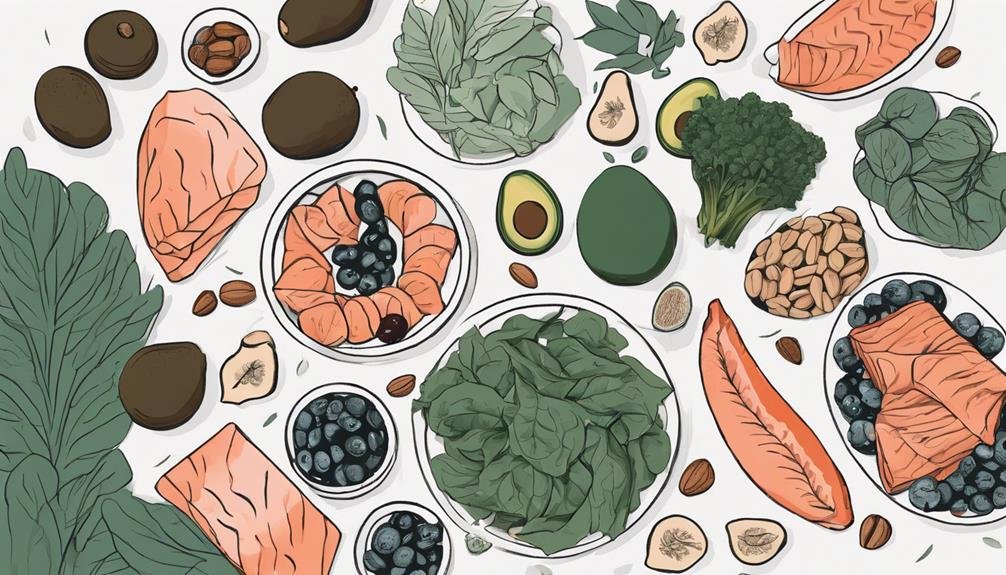
Key takeaways
- Get enough protein: about 1.6 g per kg of body weight a day, spread across meals.
- Build meals around vegetables, fruit, whole grains, beans, nuts and oily fish.
- Keep a healthy weight. Losing excess fat is the best-proven diet step for low testosterone linked to obesity.
- Limit alcohol, sugary drinks and heavily processed food.
- Fix deficiencies (vitamin D, zinc, B12) if tests show you have them; extra doses on top won’t help.
What changes after 40
Muscle loss speeds up without strength training, body fat shifts to the belly, and blood pressure, cholesterol and blood sugar tend to rise. Testosterone falls gradually, and faster in men who are overweight, sleep badly or drink heavily. Diet can’t stop ageing, but it strongly affects how fast these changes happen.
1. Prioritise protein
Protein protects muscle as you age. A 2018 review found muscle gains from protein topped out at about 1.6 g per kg a day. For an 85 kg man that’s about 135 g, or 30–40 g at each of three or four meals. See the best protein sources for men over 40.
2. Fill half your plate with plants
Vegetables, fruit, beans and whole grains give fibre, vitamins and minerals that support your heart, gut and blood sugar. Aim for 30 g of fibre a day. See our guide to a fibre-rich diet.
3. Choose healthy fats
Olive oil, nuts, seeds, avocado and oily fish twice a week. Don’t cut fat too low: a 2021 review linked very low-fat diets with slightly lower testosterone, though a 2025 analysis found no clear effect.
4. Manage your weight
Excess belly fat is linked to lower testosterone. A 2013 review found that weight loss, through diet or surgery, raised testosterone in obese men, with bigger losses giving bigger rises. See belly fat and testosterone.
5. Cover key micronutrients
Vitamin D, zinc, magnesium and B12 matter for energy, bones and hormones. Get them from food first (oily fish, eggs, meat, dairy, nuts, seeds, leafy greens) and supplement only if tests show you’re low. Studies in men with normal levels found vitamin D supplements didn’t raise testosterone.
6. Cut back on alcohol
Heavy drinking lowers testosterone, disrupts sleep and adds empty calories. Keep it to a few drinks a week. See alcohol and testosterone.
A sample day
- Breakfast: Greek yoghurt with berries, oats and nuts.
- Lunch: chicken, quinoa and a big salad with olive oil.
- Snack: an apple and a handful of almonds, or a protein shake.
- Dinner: salmon, roasted vegetables and potatoes or brown rice.
Coach Arun’s take: For men over 40, I start with two things: a palm-sized portion of protein at every meal and half a plate of vegetables. Get those right for a month and most other habits improve on their own.
Related guides
- A muscle-building diet for middle-aged men
- Key micronutrients for ageing men
- An anti-inflammatory diet
- Foods that support testosterone
- Low testosterone symptoms
FAQ
Is male menopause real?
Not in the same way as female menopause. Testosterone falls slowly, and some men develop low levels with symptoms; a doctor can test for it.
What should a 40-year-old man eat?
Mostly whole foods: protein at every meal, plenty of plants, healthy fats and less alcohol and processed food.
Do I need supplements?
Only for proven deficiencies or gaps you can’t fill with food, such as vitamin D in winter.
Can diet raise testosterone?
Losing excess fat and fixing deficiencies can. No single food will raise it meaningfully.
Sources
- Morton RW, et al. Protein supplementation and resistance training gains. Br J Sports Med. 2018. PubMed
- Corona G, et al. Body weight loss reverts obesity-associated hypogonadotropic hypogonadism. Eur J Endocrinol. 2013. PubMed
- Whittaker J, Wu K. Low-fat diets and testosterone in men. J Steroid Biochem Mol Biol. 2021. PubMed
- Lerchbaum E, et al. Vitamin D and testosterone in healthy men: a randomized controlled trial. J Clin Endocrinol Metab. 2017. PubMed

Arun Kumar T
Arun is the founder @manlyhacks. He is Learning different ways to transform his body from fat to fit. Himself as a crash test dummy, experimenting with his body. He is trying to help people to transform their body.