Effect of Caffeine on Your Testosterone Levels
Caffeine can boost your testosterone levels, especially when consumed before exercise, increasing it by about 10-20%. However, the effects vary individually; what works for you might differ. While moderate intake may positively impact your hormones, excessive caffeine can lower testosterone. Be mindful of hydration and your overall health since diet and body composition also play a role. There’s much more to explore regarding how caffeine interacts with testosterone, including dosage and timing considerations.
Key Takeaways
- Caffeine can boost testosterone levels by 10-20% short-term, especially when consumed before exercise.
- Optimal caffeine dosage for testosterone lifting effects is approximately 3-6 mg/kg body weight.
- Excessive caffeine intake may lower testosterone production and disrupt hormonal balance over time.
- Individual responses to caffeine vary; monitor personal sensitivity to adjust consumption accordingly.
- Regular exercise and diet quality can influence caffeine’s effects on testosterone levels.
How Caffeine Can Affect Testosterone Levels in Sports and Exercise
When you consume caffeine before a workout, it can greatly influence your testosterone levels and overall performance.
Studies have shown that taking caffeine, particularly in doses of 0–800 mg about one hour before lifting, can increase exercise-induced testosterone by around 21% in athletes. Caffeine has been shown to enhance performance particularly in sleep-deprived athletes, making it a valuable supplement in competitive settings. This aligns with the dietary strategies discussed, emphasizing how certain compounds can optimize hormonal responses. Additionally, maintaining hydration levels can further support optimal physical performance during workouts.
Taking 0–800 mg of caffeine an hour before lifting can enhance exercise-induced testosterone levels by approximately 21% in athletes.
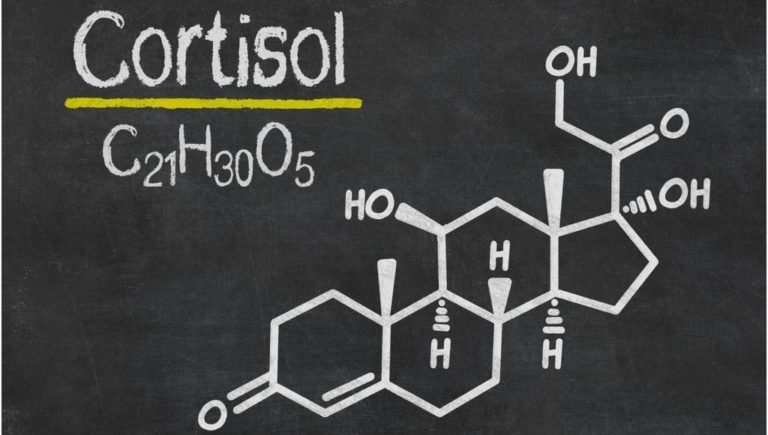
While caffeine amplifies testosterone responses, it also raises cortisol levels, creating a more catabolic environment.
This effect suggests that improved performance, like higher weights lifted, may indirectly enhance acute testosterone due to greater training stress.
Even small doses of caffeine, taken at the right time, can boost your workout quality, leading to healthier long-term hormone profiles.
Just remember, individual responses to caffeine can vary, so finding the right dose for yourself matters.
Short-Term vs. Long-Term Effects of Caffeine on Testosterone
While caffeine can provide a quick boost to testosterone levels in the short term, its long-term effects present a more complex picture. In the short run, you might see a 10-20% rise in testosterone, especially during exercise. However, this effect fades after a few hours. In contrast, moderate, chronic caffeine intake may lead to neutral or slightly higher testosterone levels, with excessive consumption possibly resulting in lower levels. It’s essential to remember that caffeine’s diuretic effect can necessitate careful hydration to maintain overall health.
| Time Frame | Effect on Testosterone |
|---|---|
| Short-Term | 10-20% rise during intake |
| Long-Term | Neutral or slightly higher |
| High Intake | Increased risk of low testosterone |
Understanding both short and long-term impacts is vital for managing your caffeine habits effectively.
Understanding the Connection Between Caffeine and Testosterone Levels
How does caffeine truly affect testosterone levels? The connection between caffeine and testosterone is intricate, involving various biological mechanisms. Your body’s response can vary based on dosage and individual differences.
- Caffeine antagonizes adenosine receptors, boosting hormone activity and affecting testosterone signaling.
- Hormonal responses differ by sex; men may see increased testosterone from caffeinated coffee, while women may experience reductions.
- Habitual moderate intake often shows positive or neutral associations with testosterone levels, unlike higher consumption which can impair steroid production. Additionally, a study found a significant inverse association between total caffeine intake and serum testosterone levels, indicating that higher caffeine consumption could relate to lower testosterone.
- Genetic factors and lifestyle influence how caffeine affects your hormone levels, emphasizing the need for personalized consideration.
Understanding these aspects helps clarify how caffeine consumption might impact your testosterone.
Caffeine Dosage: Finding the Right Balance
Finding the right balance in caffeine dosage is essential for enhancing testosterone levels and performance. Research shows that low to moderate intake, around 3-6 mg/kg of body weight or approximately 200 mg, can lead to significant testosterone boosts, improving athletic performance. However, excessive caffeine promotes an inverse relationship, potentially decreasing testosterone levels and raising cortisol. It’s vital to limit total caffeine intake to below 400 mg daily, as recommended by the FDA, and avoid consumption late in the day to protect sleep quality. Additionally, caffeine has been proven to improve athletic performance with ergogenic effects. Start with a baseline of 100-200 mg to find what works best for you. Remember, individual sensitivity varies, so monitor how your body responds and adjust accordingly for ideal benefits without hormonal disruption.
Caffeine’s Impact on Reproductive Health and Hormonal Balance
Caffeine’s impact on reproductive health and hormonal balance is particularly relevant for those looking to optimize their testosterone levels.
Research shows that your caffeine consumption can yield varying effects based on gender and dosage. Here are some key points to take into account:
- Caffeinated coffee for men may increase total testosterone while decreasing estradiol.
- For women, caffeine can lower both testosterone and estradiol levels.
- High caffeine intake could sustain elevated cortisol, which might suppress testosterone over time.
- Chronic caffeine exposure has been linked to disruptions in circadian hormonal rhythms, impacting testosterone production. Additionally, studies suggest that caffeine may enhance anabolic effects due to increased testosterone levels.
Being mindful of your caffeine intake can help you maintain a healthy hormonal balance and potentially support your testosterone levels.
How Lifestyle Factors Impact Caffeine and Testosterone Levels
Since your lifestyle choices considerably shape both caffeine consumption and testosterone levels, understanding this interplay is essential for optimizing hormonal health. For instance, drinking caffeine too late can disrupt sleep and lower testosterone production. Regular exercise paired with moderate caffeine promotes testosterone, while high caffeine and strenuous training can raise cortisol, undermining your efforts. Additionally, diets rich in essential nutrients can buffer negative caffeine impacts. Recent research suggests that caffeine intake may have a significant inverse association with testosterone levels, highlighting the importance of mindful consumption. A healthy metabolism is crucial, as it can accelerate fat loss and improve overall hormonal balance. Incorporating high-intensity interval training into your routine can further enhance your metabolic rate, which supports testosterone levels.
| Lifestyle Factor | Positive Impact | Negative Impact |
|---|---|---|
| Sleep Quality | Supports testosterone surge | Lowers production if disrupted |
| Exercise Regularity | Increases testosterone post-workout | Excess can raise cortisol |
| Diet Quality | Buffers caffeine effects | High sugar drinks lower testosterone |
| Caffeine Timing | Preserves sleep architecture | Evening intake disrupts sleep |
| Body Composition | Healthy fat supports levels | Excess fat lowers testosterone |
Questions
Can Caffeine Consumption Affect Women’s Testosterone Levels?
Yes, caffeine consumption can affect women’s testosterone levels. Studies suggest higher caffeine intake may lower bioavailable testosterone and alter hormone balance. However, findings are inconsistent, so the effects can vary from person to person.
How Does Caffeine Interact With Other Hormones Apart From Testosterone?
Isn’t it fascinating how caffeine affects various hormones? It greatly alters estrogen levels across different races, enhances cortisol responses, and impacts insulin sensitivity, making you reconsider your daily caffeine habits and their hormonal effects.
Is Caffeine Safe for Those Trying to Conceive?
Yes, moderate caffeine intake is generally safe when trying to conceive. Limiting consumption to about 200–300 mg daily should minimize any potential risks, while individual sensitivity and lifestyle factors also affect its impact on fertility.
What Are the Genetic Factors Influencing Caffeine’s Effect on Testosterone?
Imagine a maestro conducting your body’s symphony—genetic variants like CYP1A2 and ADORA2A shape how caffeine plays its notes. They determine your testosterone response, transforming caffeine’s rhythm into either a crescendo or a whisper.
Does Caffeine Consumption Vary in Impact With Age?
Yes, caffeine’s impact does vary with age. As you age, your metabolism and sensitivity to caffeine change, which can influence how it affects your body’s physiological responses and hormone levels differently than in your younger years.
Conclusion
In summary, while caffeine can provide that much-needed boost during workouts, its impact on your testosterone levels isn’t straightforward. Short-term gains might tempt you, but be wary of long-term effects that could surprise you. Finding the right dosage is essential—too little and you might miss out, too much and you could hurt your hormonal balance. So, as you sip your coffee, ask yourself: is it truly worth it for your testosterone? The answer might just change everything.