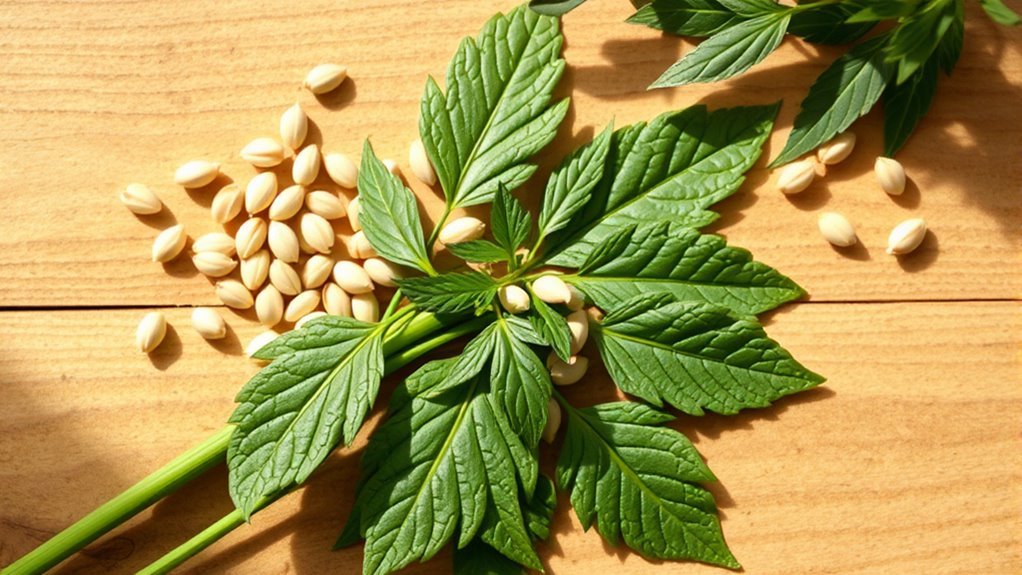
Does Fenugreek Aid Testosterone Boosting for Natural Benefits?
Yes, fenugreek can aid in boosting testosterone levels naturally. Research shows that it can increase testosterone by as much as 46% over 12 weeks, especially in those with lower levels. The active compounds in fenugreek enhance testosterone production and improve physical performance, energy, and libido. While it’s generally safe, there are some risks and side effects to take into account. You might find the details on its benefits and usage quite interesting.
Key Takeaways
- Fenugreek has been shown to increase testosterone levels by up to 46% over 12 weeks in men with lower baseline levels.
- Active compounds like saponins enhance testosterone production and elevate free testosterone availability.
- Clinical studies support daily fenugreek supplementation (500-600 mg) for significant testosterone boosts and improved physical performance.
- Users report benefits including enhanced libido, muscle strength, and reduced body fat alongside testosterone increases.
- Fenugreek is generally safe but should be avoided by pregnant or breastfeeding women due to potential risks.
What Is Fenugreek and How Has It Been Used Historically?
Fenugreek, scientifically known as Trigonella foenum-graecum, is a versatile herb belonging to the legume family, rich in history and applications. Native to regions from Iran to northern India, you might find it cultivated worldwide today. While the seeds are primarily used, its leaves and sprouts are popular in various cuisines. The herb’s Latin name, translating to “Greek hay,” reflects its historical use as fodder.
In ancient Egypt, it was essential in embalming and for treating respiratory conditions. Hippocrates and Galen documented its medicinal benefits, using it for wounds and digestion. Fenugreek is known for its scientifically backed health benefits, which include promoting blood sugar balance and supporting digestive health. Additionally, it has also been linked to an increase in testosterone levels and improved reproductive health. Fenugreek seeds have a significant historical and culinary impact, highlighting its lasting influence across cultures. The hormone testosterone production is vital for muscle strength and maintaining libido, similar to the effects attributed to saw palmetto.
In Ayurvedic and Traditional Chinese Medicine, it’s cherished for balancing health. Across many cultures, fenugreek has served as a remedy for digestion, inflammation, and even promoting lactation.
How Does Fenugreek Impact Testosterone Levels?

Fenugreek’s active compounds, especially furostanolic saponins and protodioscin, play a key role in boosting testosterone production in your body. Research shows that taking fenugreek can lead to significant increases in testosterone levels, benefiting not just hormonal health but also your overall well-being. Understanding these compounds gives you insight into how fenugreek can positively affect your testosterone dynamics. Additionally, fenugreek has been shown to lower blood sugar levels, which can further support hormonal balance and overall health. Recent studies, including randomized clinical trials, have demonstrated the effectiveness of fenugreek extract in enhancing testosterone levels among males, as maintaining healthy testosterone levels can also be achieved through natural food sources that are rich in vitamins and minerals. Furthermore, decreased energy levels often accompany low testosterone, making fenugreek a valuable addition for those experiencing fatigue and lack of motivation.
Active Compounds Explained
When exploring how fenugreek impacts testosterone levels, it’s vital to contemplate its active compounds, particularly saponins like protodioscin.
These saponins, including fenusides and furostanolic saponins, are believed to enhance testosterone levels by inhibiting metabolism enzymes. Protodioscin can displace testosterone from plasma binding proteins, increasing free testosterone availability. Moreover, an optimized testosterone level is linked to improved energy and athletic performance as well as healthy fats that promote hormone production.
Furthermore, fenugreek’s saponins block aromatase and 5α-reductase, preventing testosterone conversion into estrogen and dihydrotestosterone, respectively. This dual inhibition pathway allows more testosterone to circulate. Remarkably, studies show that consistent fenugreek use can lead to testosterone increases of up to 46% over 12 weeks, particularly in men with lower baseline levels. Additionally, fenugreek helps support healthy testosterone levels, which are essential for energy and motivation. Recent research suggests that Fenu-FG supplementation can lead to significant increases in serum testosterone levels, further indicating its potential benefits in promoting male athletic performance.
Research Findings Overview
Research on fenugreek reveals promising insights into its potential effects on testosterone levels. Clinical trials show that taking 500-600 mg of fenugreek daily can lead to significant increases in testosterone. For instance, one study noted a 46% testosterone increase in 90% of participants over 12 weeks. Additionally, one ongoing clinical study (NCT03528538) is assessing the efficacy of fenugreek supplementation for further validation of these findings. Notably, in a randomized double-blind trial, Trigozim fenugreek extract resulted in a 13.0% increase in plasma total testosterone across all dosages.
Many men also reported enhanced libido and strength gains alongside reduced body fat. Fenugreek appears to boost free testosterone levels while inhibiting testosterone degradation, increasing bioavailable testosterone. Zinc found in oysters is another nutrient linked to testosterone enhancement. However, some studies report conflicting results, suggesting that not all trials support these findings. Increased physical activity can also contribute to higher testosterone levels, which may complement fenugreek use for those looking to enhance hormone levels. Still, meta-analyses generally confirm fenugreek’s positive impact on testosterone.
Always consult your doctor before adding fenugreek supplements to your routine to evaluate if they’re right for you.
What Recent Studies Show About Fenugreek and Testosterone?

While exploring ways to boost testosterone levels, recent studies highlight fenugreek as a promising option. A meta-analysis of randomized clinical trials shows that fenugreek extract can greatly increase total serum testosterone in men. Results indicate increases of 7% to 22%, depending on participant demographics and dosage.
For example, one study found that 500 mg of fenugreek daily for 12 weeks led to a remarkable 46% increase in free testosterone levels for 90% of participants. Additionally, 600 mg doses over 8 weeks generated statistically significant increases compared to control groups. This herb’s potential to increase DHEA production, a precursor to testosterone, may also contribute to its effectiveness in testosterone enhancement. Moreover, the saponins present in fenugreek are crucial for maximizing its benefits. Fenugreek’s ability to boost testosterone levels can be particularly beneficial for men seeking to enhance physical performance and overall health.
These findings suggest that fenugreek supplementation, particularly in the 600-1,000 mg range, could effectively support testosterone production across various age groups and health statuses. Furthermore, ensuring adequate magnesium intake can further enhance testosterone levels and support overall hormonal balance.
What Are the Benefits of Using Fenugreek to Boost Testosterone?
If you’re considering fenugreek for boosting testosterone, you might be interested in its notable benefits. Many users report enhanced strength and performance, improved libido and mood, as well as reduced body fat levels. These effects suggest that incorporating fenugreek into your routine could lead to significant health and fitness improvements. Additionally, fenugreek supplements may influence testosterone levels, offering a natural alternative for those seeking to address testosterone deficiency. Recent studies indicate that Trigozim may lead to significant increases in plasma and saliva testosterone concentrations, indicating its potential efficacy in boosting hormonal health.
Enhanced Strength And Performance
Using fenugreek to boost testosterone can lead to notable enhancements in strength and performance, especially for those engaged in athletic activities. You may experience:
- Improved Strength: Studies show that 500mg daily can notably enhance strength compared to a placebo.
- Better Body Composition: Fenugreek use has been linked to reduced body fat and increased lean mass.
- Enhanced Workout Performance: You might notice boosts in energy levels, resulting in more effective workouts.
- Higher Endurance: Supplements like Furosap may lower blood pressure during exertion, aiding endurance. Additionally, Furosap supplementation has demonstrated significant increases in lean body mass and fat-free mass compared to placebo.
Incorporating fenugreek could be a game changer for your athletic performance, making it a worthy consideration for anyone looking to optimize their training.
Improved Libido And Mood
When considering natural ways to enhance testosterone levels, fenugreek emerges as a powerful ally, particularly for improving libido and mood.
Multiple studies show that daily supplementation can greatly enhance libido, with one 12-week study revealing a 46% increase in testosterone for a majority of participants. Plasma total testosterone increased by 13.0% after any Trigozim dose, further underscoring fenugreek’s potential benefits. In a clinical trial, statistically significant increases in free testosterone levels were also observed, highlighting its effectiveness.
This boost in testosterone often accompanies improvements in mood, with 500mg doses linked to heightened mental alertness and overall emotional well-being.
For men aged 35-65, taking Furosap for 12 weeks led to remarkable mood enhancements, demonstrating fenugreek’s dual benefits.
Besides enhancing sexual function, it addresses aging-related symptoms, making it an ideal choice for maintaining a fulfilling lifestyle.
Embracing fenugreek can certainly elevate your quality of life.
Reduced Body Fat Levels
Boosting testosterone with fenugreek not only enhances libido and mood but also plays a significant role in reducing body fat levels. Incorporating fenugreek into your regimen can lead to impressive transformations, helping you feel leaner and more energetic.
Here are some benefits you might experience:
- Significant fat loss – Fenugreek supplementation can help decrease body fat percentage effectively.
- Increased lean mass – While burning fat, it helps boost lean body mass, ensuring you’re not losing muscle. Recent studies indicate that fenugreek extracts have potential physiological benefits on muscle performance.
- Enhanced strength – You may notice improvements in both upper and lower body strength during workouts.
- Better metabolism – With improved lipid metabolism, fenugreek can contribute to better fat burning overall.
What Are the Potential Risks and Side Effects of Fenugreek?
While fenugreek is often praised for its potential health benefits, it’s important to be aware of the possible risks and side effects associated with its use. Allergic reactions can occur, including symptoms like wheezing, nausea, and facial swelling, especially if you’re sensitive to plants in the Fabaceae family. Pregnant or breastfeeding women should avoid fenugreek, as it’s linked to risks of birth defects and unusual odors in newborns. Gastrointestinal side effects may include diarrhea and bloating. Additionally, fenugreek can interact with various medications, increasing bleeding risks with anticoagulants and lowering blood sugar when combined with antidiabetes drugs. Generally considered safe in typical food amounts, it is essential to be cautious and monitor any unusual symptoms if you decide to incorporate fenugreek into your routine.
How Can You Use Fenugreek to Boost Testosterone in Your Diet?
Incorporating fenugreek into your diet can be an effective way to potentially enhance testosterone levels, especially for those looking to support their hormonal health.
Here are some practical ways to include this powerful herb in your routine:
- Fenugreek Capsules: Take one capsule daily containing 500-600 mg of standardized extract.
- Seed Powder: Add fenugreek seed powder to your smoothies or yogurt for a nutritious boost.
- Cooking Spice: Use fenugreek in your cooking, such as in curries or stews, to enjoy its flavor and benefits.
- Tea: Brew a tea using fenugreek seeds to sip on a warm, herbal drink packed with potential testosterone-enhancing properties. Research shows that saliva testosterone levels increased by 31.1% after any dosage of fenugreek, highlighting its effectiveness.
Incorporating these options can support your wellness journey!
Questions
What Is the Recommended Dosage for Fenugreek Supplements?
For fenugreek supplements, a recommended dosage is typically between 500 to 600mg daily. This range’s shown positive effects on testosterone levels, strength, and libido, but consult your doctor before starting any supplementation regimen.
How Long Does It Take to See Results From Fenugreek?
Fabulous fenugreek’s effects can appear within two to four weeks. You might notice subtle mood and energy shifts around this time, while more significant changes in testosterone often emerge after eight to twelve weeks of consistent use.
Can Fenugreek Interact With Other Medications?
Yes, fenugreek can interact with other medications. It may inhibit certain liver enzymes, lower blood sugar, and mimic estrogen, so it’s important you consult your doctor before using it, especially if you’re taking other prescriptions.
Is Fenugreek Safe for Women to Use?
Yes, fenugreek’s generally considered safe for women, but it’s wise to consult your doctor first. Limited research exists on long-term effects, so professional guidance guarantees you’re making informed choices for your health.
What Form of Fenugreek Is Most Effective for Testosterone Boost?
Isn’t it fascinating how different forms can vary in effectiveness? Standardized extracts containing 50% saponins, like Testofen, and protodioscin-enriched supplements are generally the most effective for boosting testosterone levels. You might want to try those.
Conclusion
Incorporating fenugreek into your diet may offer natural benefits for boosting testosterone levels, but it’s important to approach it with caution. For instance, a 2016 study found that men taking a fenugreek supplement experienced a notable increase in testosterone after eight weeks. While this suggests promise, individual responses can vary, so it’s wise to consult with a healthcare professional before making significant changes. Ultimately, balancing fenugreek with a healthy lifestyle can lead to the best results.