Do Men Need Supplements for Metabolism? Science & Practical Benefits
You might wonder if you need supplements to boost your metabolism. While many men find that certain supplements, like caffeine or green tea extract, can provide a modest energy boost, they shouldn’t replace a balanced diet and regular exercise. A healthy lifestyle is key to metabolic health. Supplements can help, but it’s crucial to be cautious of potential side effects and interactions. There’s more to explore about how to optimize your metabolism effectively.
Key Takeaways
- Supplements can provide a modest boost to metabolism, but a balanced diet is essential for sustainable metabolic health.
- Caffeine and green tea extract may enhance energy expenditure, although results vary among individuals.
- Regular exercise and dietary choices significantly influence metabolism, often more than supplements alone.
- Overdependence on supplements can lead to neglect of proper nutrition and physical activity, which are crucial for metabolism.
- Individual differences in physiology mean that not all men will benefit equally from metabolic supplements.
Understanding Metabolism: The Basics for Men
Metabolism is essential for how your body converts food into energy, and understanding its basics can help you manage your health effectively.
It’s the complex process involving various biochemical reactions that not only breaks down food but also builds and repairs body tissues. Knowing that metabolism varies among individuals, especially in men due to factors like age, muscle mass, and hormonal levels, can guide your health choices. One way to support a healthy metabolism is to maintain a balanced diet that includes whole foods and proper hydration.
One significant factor to consider is how hormonal changes can impact your metabolic rate as you age. Engaging in regular exercise, ensuring adequate sleep, and managing stress can positively influence your metabolic rate.
The Role of Nutrition in Metabolic Health

While you might be aware of the importance of nutrition for overall health, its role in metabolic health is equally essential. The foods you choose can directly impact how efficiently your body converts food into energy.
A balanced diet rich in whole foods—like fruits, vegetables, lean proteins, and healthy fats—supports metabolic functions. Nutrients like vitamins, minerals, and antioxidants play critical roles in energy production and hormone regulation, which is vital for maintaining optimal testosterone levels.
Additionally, maintaining stable blood sugar levels helps avoid metabolic disruptions. Prioritizing proper nutrition not only fuels your body but also enhances your metabolism, ultimately supporting your fitness and wellness goals. Including spicy foods in your meals can further boost your metabolic rate through increased energy expenditure.
Common Supplements for Boosting Metabolism
If you’re looking to give your metabolism a boost, several common supplements might help in that pursuit.
Caffeine is popular, as it can enhance energy expenditure and fat oxidation. Research has shown that hormonal imbalances can also affect how effective these supplements are. Green tea extract is another option, known for its metabolism-boosting properties due to catechins.
L-carnitine aids in fat oxidation, potentially supporting your weight management goals. Additionally, B vitamins play a role in energy metabolism by helping convert food into fuel.
Finally, some people turn to protein powder to improve muscle synthesis, which can indirectly enhance metabolic rate. Increasing protein intake is a simple lifestyle change that can further complement these supplements and help keep the metabolism active.
Evaluating the Evidence: Do Supplements Work?
How effective are supplements in truly enhancing your metabolism? Research shows mixed results. Some studies suggest specific ingredients, like caffeine and green tea extract, can provide a modest boost. However, effects often vary based on individual physiology, diet, and activity level. While short-term results may look promising, many benefits fade when you stop taking them. Remember, supplements shouldn’t replace a balanced diet or exercise—those are key for sustainable metabolism support. Additionally, incorporating strategic exercise in the morning can further enhance your metabolic rate. It’s important to evaluate claims critically and consult with a healthcare professional before starting any supplement regimen to make sure you’re making informed choices for your health.
Potential Risks and Considerations
Even with the potential benefits of certain metabolism-boosting supplements, it’s crucial to weigh the risks and considerations before incorporating them into your routine.
Many supplements can interact with medications or have adverse side effects. You should be aware of the following:
- Potential side effects like anxiety or insomnia
- Unregulated ingredients that may affect quality
- Overdependence on supplements instead of diet and exercise
- Individual differences in metabolism response
Incorporating healthy evening snacks can also support metabolic function alongside supplement use.
Taking these factors into account can help you make more informed decisions and avoid surprises down the line.
Always consult a healthcare professional before starting any new supplement regimen.
Making Informed Choices for Your Metabolic Health
To make informed choices about your metabolic health, it’s crucial to understand the basics of metabolism.
Knowing how your body processes energy can help you choose effective supplements that truly support your needs.
After all, being well-informed is key to optimizing your health and achieving your goals.
Understanding Metabolism Basics
Understanding the basics of metabolism is crucial, since it plays a significant role in your overall health and well-being.
Metabolism refers to how your body converts food into energy, affecting everything from weight management to wellness.
It’s important to know these key points:
- Basal Metabolic Rate (BMR): The energy your body needs at rest.
- Chemical Reactions: Metabolism involves numerous biochemical processes.
- Influencing Factors: Age, sex, and muscle mass impact metabolic rate.
- Energy Balance: Calories in versus calories out determines weight gain or loss.
Grasping these concepts can empower you to make informed choices for improving your metabolic health.
Choosing Effective Supplements
When considering supplements to boost your metabolism, it’s essential to know what works and what doesn’t.
Start by researching supplements backed by science, like green tea extract, caffeine, and protein powders. Look for ingredients that enhance energy or fat oxidation.
Always check the quality and source of the supplement—opt for third-party tested products to guarantee safety and efficacy.
Don’t forget to consult with a healthcare professional before starting any new regimen. Personalize your choices based on your unique health needs and lifestyle goals.
Questions
Are There Age-Related Metabolism Changes in Men?
Yes, there are age-related metabolism changes in men. As you age, your metabolism generally slows, leading to potential weight gain and reduced energy. Staying active and eating well can help counteract these effects.
How Do Stress Levels Impact Metabolism in Men?
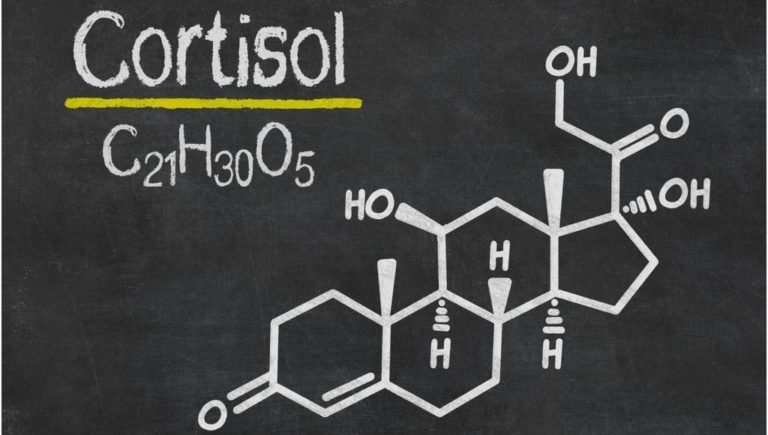
Stress levels can slow your metabolism, decreasing energy expenditure and promoting fat storage. When you’re stressed, cortisol spikes, which may lead to cravings and unhealthy eating habits, affecting your overall metabolic health negatively.
Can Certain Medications Slow Down Metabolism?
Yes, certain medications can slow down your metabolism. Antidepressants, steroids, and some blood pressure medications are notorious for this effect. Always consult your healthcare provider if you’re concerned about how your medication might impact your metabolism.
Is Intermittent Fasting Beneficial for Men’s Metabolism?
Yes, intermittent fasting can benefit your metabolism. It may enhance fat burning and improve insulin sensitivity, helping you manage weight better. However, individual results vary, so listen to your body during the process.
How Does Hydration Affect Metabolic Health in Men?
Hydration’s essential for metabolic health in men. When you’re well-hydrated, your body’s processes run smoothly, improving energy levels and metabolism. Dehydration, on the other hand, can slow down your metabolism and hinder overall performance.
Conclusion
To summarize, while supplements might seem like a quick fix for metabolism, they’re much like a GPS for a road trip; it helps to navigate, but it won’t drive the car for you. Focusing on a balanced diet and regular exercise is key. Just as a roadmap guides you to your destination, nourishing your body with the right nutrients sets the course for ideal metabolic health. So, choose wisely, and fuel your engine with what it truly needs.