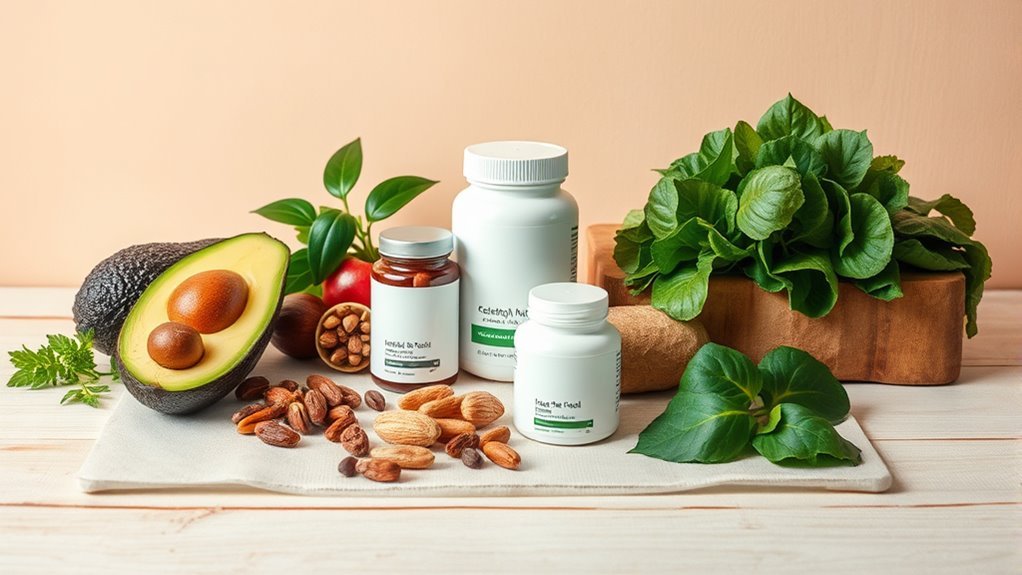
Complete Guide to Boosting Testosterone & Metabolism Through Diet, Training & Supplementation
To boost testosterone and metabolism, focus on a balanced diet rich in zinc, magnesium, vitamin D, and omega-3 fatty acids. Incorporate testosterone-boosting foods like eggs, oysters, and spinach, and engage in effective workout routines like compound exercises and HIIT. Prioritize sleep and manage stress to support hormonal balance. Consider supplements like zinc, vitamin D, and ashwagandha for added benefits. Keep following these tips, and you’ll discover even more strategies for optimizing your health and performance.
Key Takeaways
- Incorporate testosterone-boosting foods like eggs, oysters, and spinach to support hormonal health and metabolism.
- Engage in compound exercises and High-Intensity Interval Training (HIIT) for enhanced strength and testosterone levels.
- Prioritize quality sleep, aiming for 7-9 hours per night, to optimize hormone production and balance.
- Utilize key supplements such as zinc, vitamin D, and ashwagandha to support testosterone levels and reduce stress.
- Track progress by logging workouts, diet, and body composition changes to refine your approach effectively.
Understanding Testosterone and Its Role in Metabolism
Testosterone plays an essential role in your metabolism, influencing everything from muscle mass to fat distribution.
When testosterone levels are balanced, you’re more likely to enjoy increased energy and enhanced athletic performance. Low levels can lead to unwanted weight gain, fatigue, and reduced muscle strength. Additionally, abdominal fat accumulation can be influenced by hormonal imbalances, which further underscores the connection between testosterone levels and body composition.
It’s crucial to understand how this hormone affects not just your physical health but also your overall well-being. By optimizing testosterone through lifestyle choices, you can improve your metabolism, making it easier to achieve your fitness goals. Additionally, as men age, metabolic slowdown can exacerbate the effects of low testosterone, further impacting body composition and energy levels.
Recognizing the importance of testosterone is the first step towards enhancing your health and vitality.
Key Nutrients for Testosterone Production

A balanced diet is essential for maintaining healthy testosterone levels, and certain key nutrients can make all the difference.
Zinc is significant; it aids in the production of testosterone and supports overall hormonal balance.
Zinc is crucial for testosterone production and maintaining hormonal balance in the body.
Magnesium is another important mineral that may enhance testosterone levels, especially during intense workouts.
Vitamin D plays an essential role, as low levels are linked to decreased testosterone.
Omega-3 fatty acids help reduce inflammation and support overall health, allowing for better hormone production.
Make certain you’re getting these nutrients from your diet or consider supplements to keep your testosterone levels where they should be for peak performance. Furthermore, addressing individual lifestyle factors can also play a crucial role in optimizing your testosterone and metabolic health.
Testosterone-Boosting Foods to Incorporate Into Your Diet
Incorporating specific foods into your diet can considerably boost your testosterone levels and overall health. Focus on foods rich in healthy fats, protein, and essential nutrients. Here are a few testosterone-boosting foods to take into account:
| Food | Benefits |
|---|---|
| Eggs | Rich in vitamin D and protein |
| Oysters | High in zinc |
| Spinach | Loaded with magnesium |
Adding these foods may enhance your hormone levels and support your fitness goals. Aim for a balanced diet, and don’t forget to mix variety for best results! Additionally, remember that including nutrient-rich foods can also support your metabolism and overall well-being. Furthermore, a diet enriched with protein intake is crucial as it can help stimulate testosterone production while also enhancing metabolic health.
Effective Workout Routines for Increasing Testosterone Levels
To ramp up your testosterone levels, focusing on certain workout routines is key. Compound exercises, high-intensity interval training, and ensuring you get enough recovery are all crucial components. Additionally, incorporating strength training can significantly enhance your metabolic health, further boosting testosterone levels. For optimal results, pairing these workouts with a balanced diet rich in whole foods can amplify your efforts. Let’s explore how these elements can supercharge your workouts and boost those testosterone levels.
Compound Exercises Benefits
While many factors influence testosterone levels, engaging in compound exercises can appreciably enhance your body’s production of this essential hormone.
These exercises recruit multiple muscle groups, promoting overall strength and hormone balance. Here are three key benefits:
- Increased Muscle Mass: Compound exercises, like squats and deadlifts, help build and maintain muscle, vital for testosterone production.
- Boosted Metabolism: By engaging multiple muscles, these workouts elevate your metabolic rate, promoting fat loss.
- Enhanced Functional Strength: They improve your overall functionality in daily activities, supporting a more active lifestyle, which can further boost testosterone levels. Additionally, incorporating structured morning routines that prioritize hydration and balanced nutrition can amplify the effects of your training on testosterone levels.
High-Intensity Interval Training
High-Intensity Interval Training (HIIT) stands out as an effective approach for boosting testosterone levels. This training method alternates between intense bursts of activity and short rest periods, maximizing your workout benefits. Incorporating HIIT into your routine not only ramps up your metabolism but also promotes hormonal balance. Additionally, optimizing your night routine with practices like reducing screen time can further enhance your sleep quality.
Here’s a simple HIIT workout structure:
| Exercise | Duration | Rest Time |
|---|---|---|
| Sprint | 30 seconds | 30 seconds |
| Jump Squats | 30 seconds | 30 seconds |
| Burpees | 30 seconds | 30 seconds |
Try this routine to enhance your testosterone production!
Recovery and Rest Importance
As you push your body during intense workouts, it’s essential not to overlook the importance of recovery and rest in boosting testosterone levels. Neglecting recovery can hinder your progress and lead to burnout.
Here are three key practices to incorporate into your routine:
- Prioritize Sleep: Aim for 7-9 hours of quality sleep each night to support hormone production.
- Active Recovery: Engage in light activities, like walking or yoga, to promote blood flow and healing.
- Nutrition: Fuel your body with nutrient-dense foods post-workout to aid muscle repair and hormone regulation.
Embrace recovery, and you’ll see greater gains!
The Importance of Sleep and Stress Management
To boost testosterone effectively, it’s essential to prioritize both sleep and stress management, since inadequate rest and high stress levels can greatly hinder hormone production.
Aim for 7-9 hours of quality sleep each night; this promotes recovery and hormonal balance. Establish a consistent sleep schedule, create a calming bedtime routine, and limit screen time before bed.
Additionally, managing stress through techniques like meditation, deep breathing, or regular physical activity can considerably help. Remember, chronic stress elevates cortisol, which can negatively affect testosterone levels.
Supplements to Consider for Enhanced Testosterone and Metabolism
When it comes to boosting testosterone and metabolism, certain supplements can make a real difference.
You might want to contemplate key testosterone-boosting options, along with some effective metabolism-enhancers.
Let’s explore what these supplements could do for you.
Key Testosterone-Boosting Supplements
While a balanced diet and regular exercise lay a solid foundation for boosting testosterone levels, including certain supplements can further enhance your efforts.
Consider adding these key testosterone-boosting supplements to your routine:
- Zinc: Essential for testosterone production, it plays a significant role in androgen regulation.
- Vitamin D: This vitamin acts like a hormone in the body and is linked to improved testosterone levels.
- Ashwagandha: An adaptogen that can help reduce stress and improve the body’s hormonal balance.
Incorporating these supplements may support your goal of elevating testosterone and optimizing your metabolism.
Metabolism-Enhancing Nutraceutical Options
After exploring key supplements that support testosterone production, it’s important to evaluate how nutraceuticals can further enhance both your testosterone levels and metabolism.
Consider options like L-carnitine, which aids in fat oxidation, and green tea extract, known for boosting energy expenditure.
Omega-3 fatty acids can reduce inflammation, promoting a better hormonal environment.
Additionally, adaptogens like ashwagandha help manage stress, potentially improving testosterone levels.
Don’t overlook Vitamin D and magnesium, vital for overall hormonal health.
Combining these supplements with a balanced diet and regular exercise can optimize both your testosterone and metabolism, releasing your full potential.
Common Mistakes to Avoid When Trying to Boost Testosterone
Boosting testosterone can be a complex journey, especially if you’re unaware of common pitfalls that can hinder your progress.
Here are three mistakes to avoid:
- Neglecting Diet: Skipping essential nutrients like healthy fats, zinc, and vitamin D can stall your boost.
- Overtraining: Too much exercise without adequate recovery can lead to hormonal imbalance, negatively affecting testosterone levels.
- Ignoring Stress: Chronic stress raises cortisol, which can suppress testosterone. Incorporating stress-reduction techniques like meditation can help.
Stay mindful of these mistakes, and you’ll be on a smoother path to optimizing your testosterone levels.
Tracking Progress and Making Adjustments to Your Plan
To effectively enhance your testosterone levels, tracking your progress is key. Regularly monitor your workout performance, body composition, and mood.
Consider using a journal or app to log workouts, diet, and any changes in energy levels or libido. This data helps identify what’s working and what isn’t.
If you’re not seeing results, don’t hesitate to adjust your diet, training intensity, or supplements. Consistency is essential, but flexibility is important too.
Listen to your body and make changes based on your observations. By refining your approach, you’ll maximize your efforts in boosting testosterone and achieving your fitness goals.
Questions
Can Alcohol Consumption Affect Testosterone Levels?
Yes, alcohol consumption can negatively affect testosterone levels. It may lead to decreased hormone production and increased estrogen levels, impacting your energy, mood, and overall health. Moderation’s key to maintaining balanced testosterone levels.
Is There a Difference Between Natural and Synthetic Testosterone?
Yeah, there’s a difference. Natural testosterone comes from your body, while synthetic testosterone is man-made. Some people worry synthetic options might be harmful, but under medical supervision, they can effectively treat low testosterone levels.
How Does Age Impact Testosterone Production?
As you age, your testosterone production tends to decline, often starting in your late 30s. This natural decrease can affect energy levels, mood, and overall health, making it essential to monitor and manage hormone levels effectively.
Can Stress Have a Long-Term Effect on Testosterone Levels?
Yes, stress can definitely have a long-term effect on testosterone levels. Chronic stress increases cortisol production, which can inhibit testosterone synthesis. Managing stress through healthy habits is essential for maintaining balanced hormone levels.
Are There Specific Foods That Lower Testosterone Levels?
Imagine a garden, flourishing with vibrant blooms. Yet, certain weeds—like processed sugars, trans fats, and soy products—can choke the life out of your testosterone. Avoiding these can help nurture your body’s natural strength.
Conclusion
Incorporating the right diet, workout routines, and lifestyle changes can truly help boost your testosterone and metabolism. You may have heard that you can’t naturally increase these levels, but research shows it’s entirely possible. By understanding key nutrients, focusing on testosterone-boosting foods, and prioritizing sleep, you can take control of your health. Remember, it’s all about balance and consistency. So get started today, and watch your energy and vigor soar!